
Products
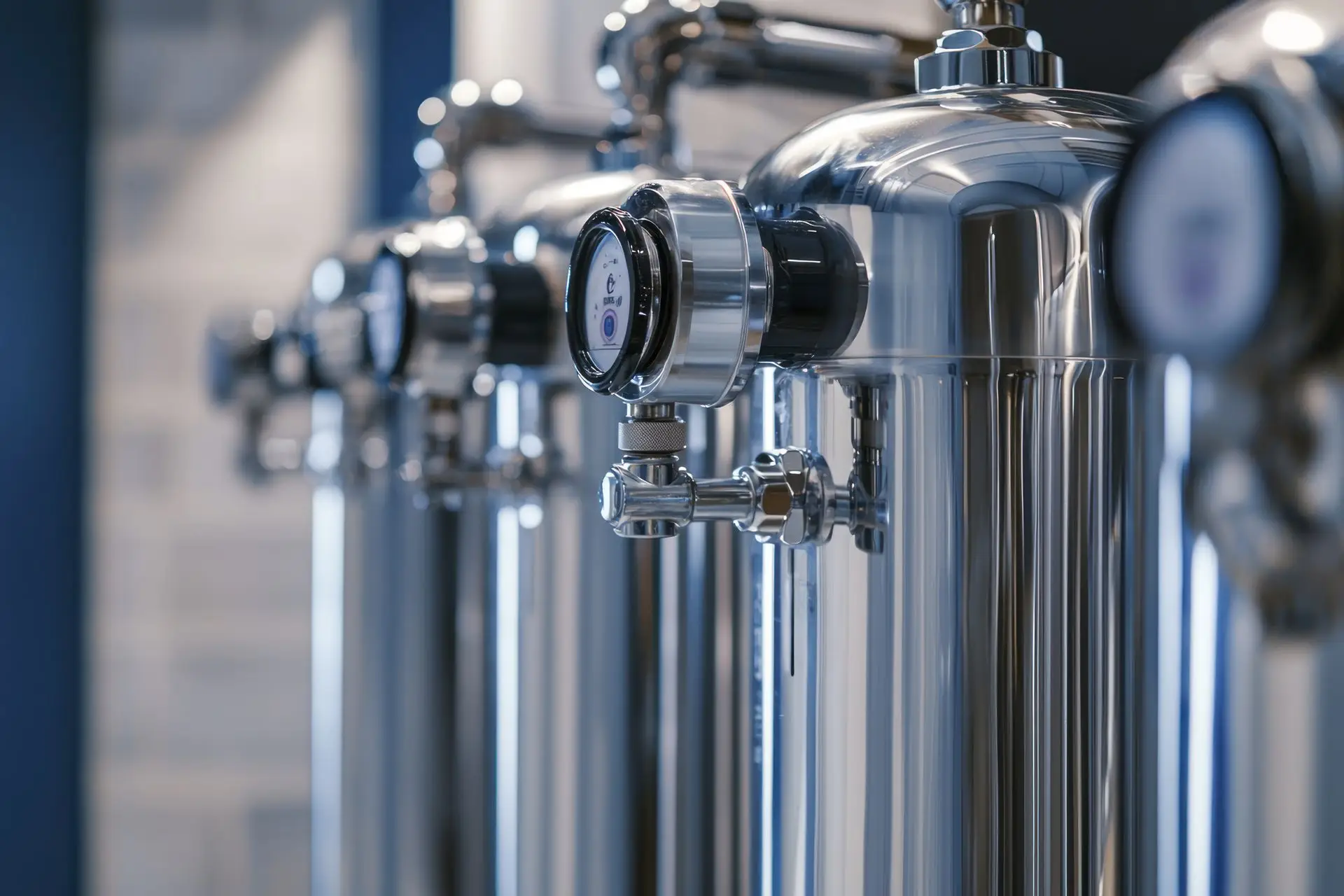
UV Water Filters
Chemical-free UV disinfection for borehole, rainwater and tank water, fitted as the final stage after sediment filtration.
How we approach UV water filters
Ultraviolet disinfection uses UV light to inactivate bacteria, viruses and other microorganisms without adding chemicals. It is the usual final stage for borehole, rainwater and tank water that will be used for drinking.
UV only works on clear water, because particles shield microorganisms from the light, so it always follows sediment filtration. It does not remove chemicals, metals or taste, and the lamp weakens over time, so it is replaced on a yearly schedule even if it still glows.
What to check before buying
UV is the final safeguard, not a stand-alone fix.
Chemical-free
UV disinfects without changing the taste or adding anything to the water.
Clear water first
Sediment filtration upstream keeps the UV dose effective.
Yearly lamp change
Lamps weaken with use and are replaced every year.
FAQs
Questions before we quote
Does a UV filter make borehole water safe?
It deals with bacteria and viruses. Chemical issues such as nitrates, iron or hardness need other stages, which a water test identifies.
How often should the UV lamp be replaced?
Typically once a year. The lamp still lights after that, but its UV output drops below an effective dose.
Does UV work during load-shedding?
No, the lamp needs power. Water that flows while the unit is off is not disinfected, so a backup power supply or a flow cut-off is worth planning for.
Related guides
Background reading before you choose a system.
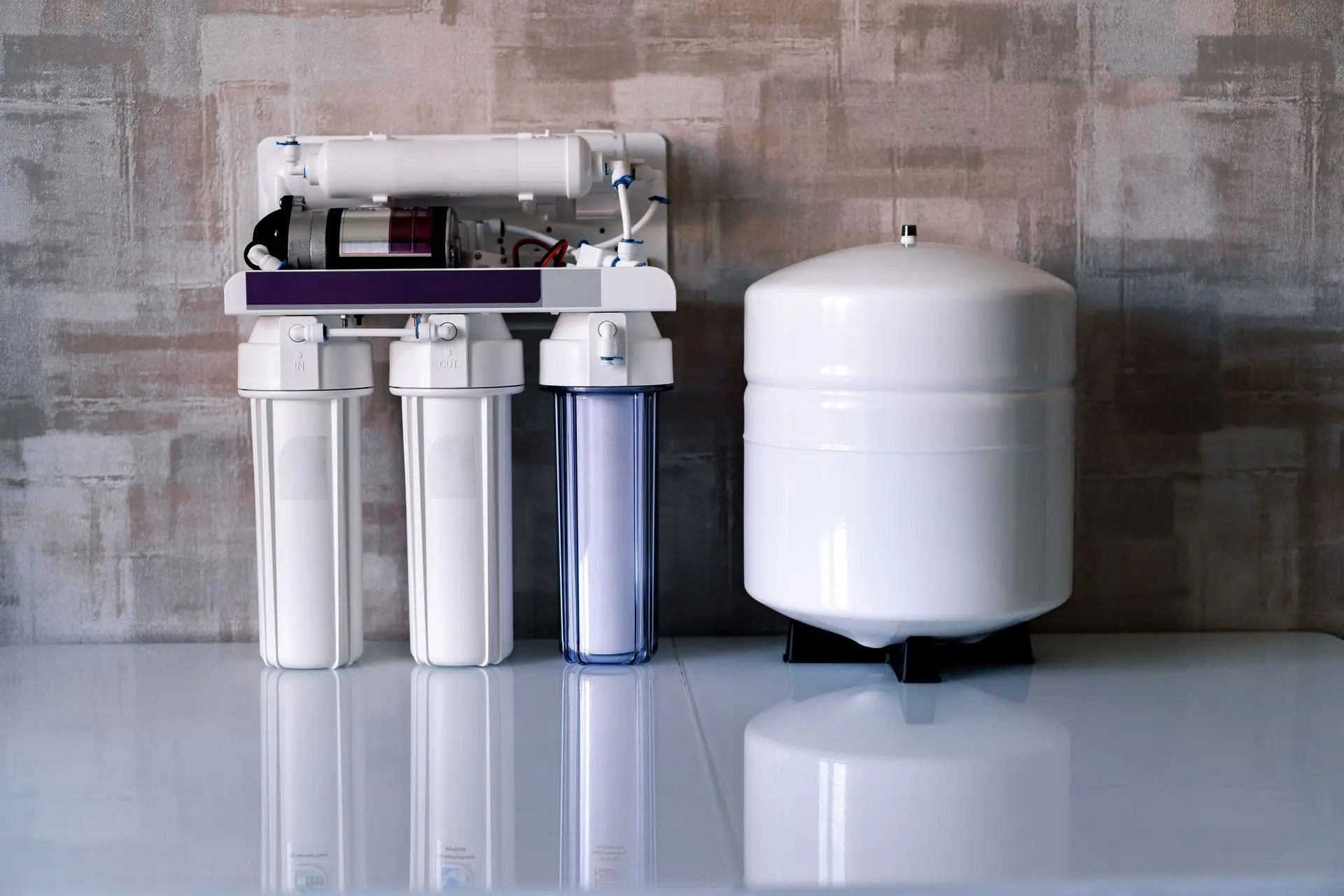
Reverse Osmosis vs UV: Which Water Filter Do You Need?
Reverse osmosis vs UV explained: what each removes, what each needs to work, whether RO water is healthy, and which suits municipal, borehole or rainwater.
Read Guide
Is Borehole Water Safe to Drink? How to Know for Sure
Is borehole water safe to drink? Sometimes, but only a SANS 241 lab test can tell you. What can be in it, how to test it and what to do while you wait.
Read Guide
Rainwater Filtration Guide: Tank Filters and Drinking Water
Rainwater filtration for Cape Town homes: is rainwater safe to drink, sizing a first flush diverter, choosing a water tank filter, UV and City rules.
Read GuideOther filtration products
Water Filter Taps
Filtered drinking water at the kitchen sink, from a slim dedicated tap or a three-way mixer, fed by an under-sink or reverse osmosis system.
Learn MoreUnder-Sink Water Filters
Filtered drinking water from your own kitchen cabinet, with sediment and carbon stages feeding a dedicated tap or a three-way mixer.
Learn MoreWater Filter Cartridges
Sediment, carbon and specialist replacement cartridges in 10-inch, 20-inch and big blue sizes, matched to the housing you already have.
Learn MoreCarbon Water Filters
Activated carbon takes the chlorine taste and smell out of municipal water, and it is the stage behind most good-tasting drinking water at the tap.
Learn MoreSediment Water Filters
The first line of defence against sand, silt and rust, rated in microns so pumps, taps and finer filters downstream are not clogged.
Learn MoreWater Softeners
Ion-exchange softeners that stop scale on geysers, kettles and shower glass, sized once a hardness test shows the water needs it.
Learn More
Need borehole or tank water you can drink?
Send your water source and any test results you have. We will plan the pre-filtration and UV stage around them.